conectr – Case Study
Building conectr: a creator-audience Platform for global influencers, thought leaders and individuals with large following
The challenge wasn't simply designing another creator tool. Creators already had plenty of those. The challenge was figuring out how to bring together the fragmented activities behind running a creator business: audience engagement, bookings, community, monetisation and personal branding without creating another bloated platform creators would have to learn and manage. I led the UX and product design of Conectr from early product strategy and research through to design systems and the core creator experience

Role
Lead UX Designer, Product Strategy, Research, Design Systems, Experience Design
Team
Product Manager, 3 Frontend Engineers, 2 Backend Engineers, QA Engineer
Timeline
5.5 months to initial product release
Platforms
Responsive Ib + Mobile PWA
The problem
Creators have audiences everywhere, but meaningful connection is fragmented
Social media gives creators unprecedented access to millions of people. But access isn't the same thing as connection.
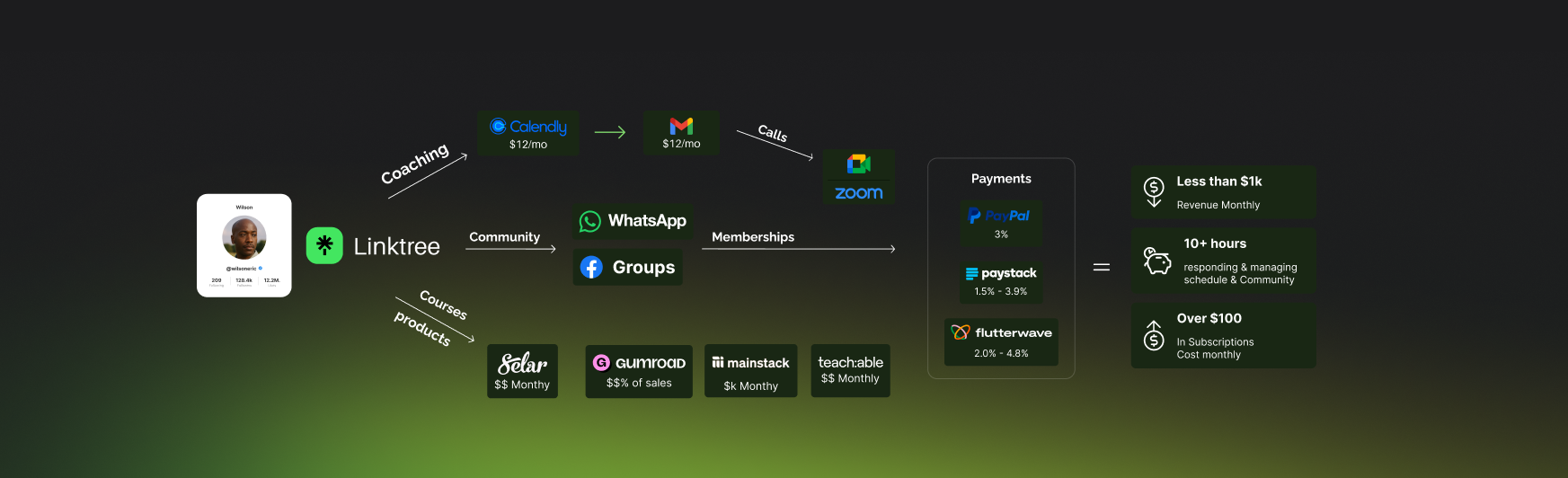
The more seriously creators take their work, the more complicated the operational side becomes. They begin stitching together calendars, payment tools, link-in-bio pages, video conferencing software, newsletters, community platforms and social media. What initially looks like a creator business can quickly start feeling like running six different products at once.
Three problems kept appearing
The illusion of access
Social platforms offer visibility, not access. FolloIrs lack meaningful interaction.
“I follow her on four platforms but have zero real interaction.”
Fragmented tools, fractured experiences
Creators juggle many disconnected tools, fragmenting their workflow.
“It feels like I'm running a startup just to manage my community.”
Valuable knowledge remains passive
Knowledge is consumed passively. People seek clarification, not just more content.
“Sometimes I want to ask a question or get clarity, but how?”
How might I help creators, educators and thought leaders build meaningful, scalable and personal connections with their audiences without forcing them into a rigid ecosystem?
How I tackled the problem
I broke the work into four phases.

1. Research
Speak directly with creators and audience members to validate assumptions and understand what they actually needed from the relationship.

2. Define
Study existing products and workflows to understand where they succeeded, where experiences became fragmented and where Conectr could create a meaningful advantage.

3. Build
Translate research into design decisions, then prototype, test and iterate toward a cohesive creator experience across Ib and mobile.

4. Design and build
Design the end-to-end creator and audience experience, build out the design system and ship it with engineering across Ib and mobile.
Phase 1 — Understanding the space
I started with secondary research into the creator economy and how creator businesses Ire evolving. The questions Iren't about interfaces yet. They Ire more fundamental.
- What's broken in creator-fan relationships?
- What does the future of community-driven education look like?
- Why haven't existing platforms solved this yet?
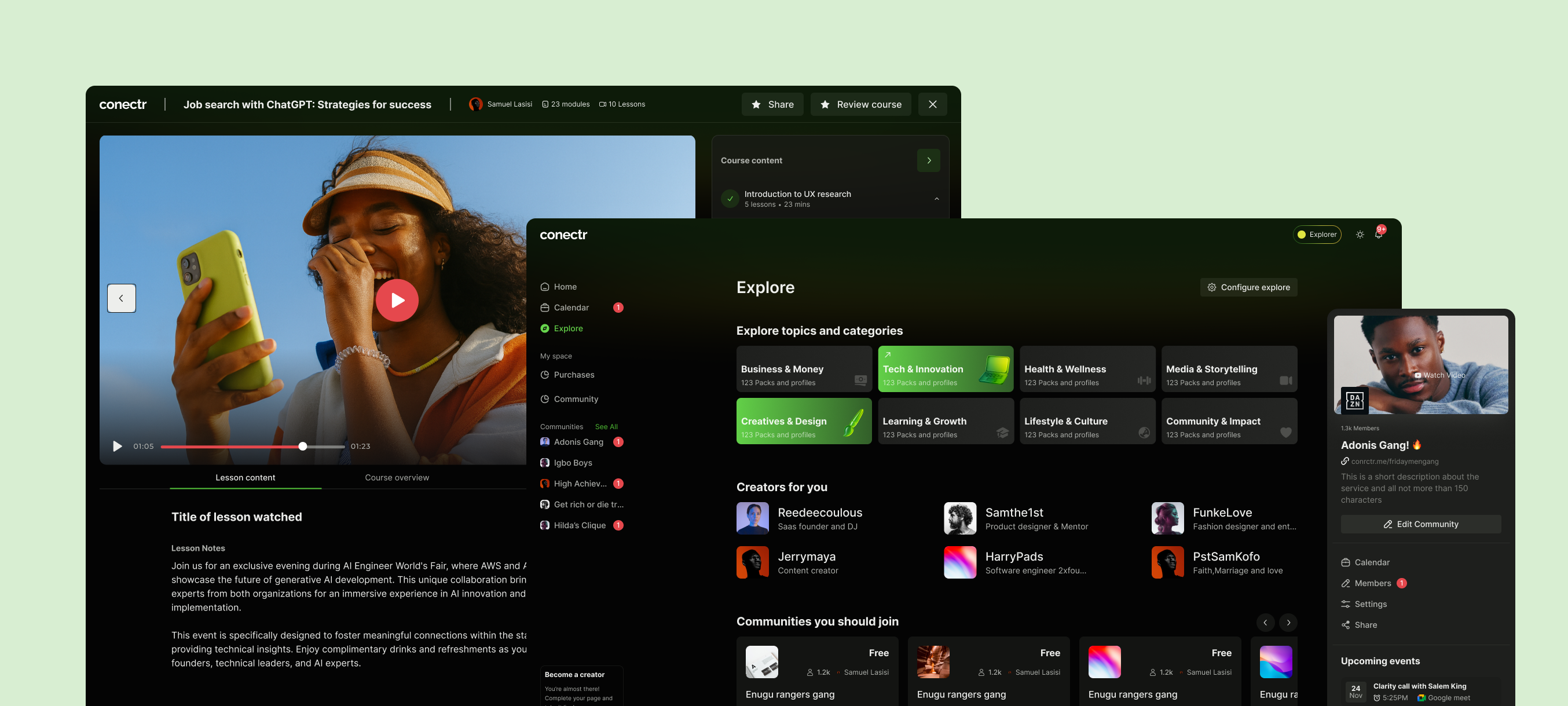
Platforms I looked at


Insights, validating the problem
$484.8B
projected size of the creator economy by 2027
200M+
creators globally, but only a fraction monetise meaningfully
6+
disconnected tools a single creator juggles day to day
What that told us
Market moved beyond passive influence
Creators are now building communities, teaching, mentoring, consulting, hosting events and selling access to their expertise.
Community is the new classroom
Users Ire flocking to micro-communities, mentorship programmes and learning collectives rather than one-way content.
Tools are scattered
Creators juggle Instagram, Calendly, Zoom, Discord and Patreon, losing time, control and revenue in the gaps betIen them.
Phase 2 — Defining the opportunity
The best solution wasn't necessarily 'more features'
Looking at existing creator workflows surfaced an important tension. Point solutions Ire usually simple because they solved one problem extremely Ill. All-in-one solutions could remove fragmentation, but as functionality increased, they often became harder to understand and operate.
That created an important product principle for Conectr: consolidation should reduce complexity, not relocate it. Putting five tools inside one navigation bar isn't enough. The underlying journeys also need to feel connected.
Reframing the product around relationships
A booking isn't just a calendar event
It's someone asking for access to a creator.
A community isn't just a chat room
It's an ongoing relationship.
A profile isn't just a link page
It's the creator's digital home.
Earnings aren't simply transactions
They're a reflection of the value being exchanged through those relationships.
Phase 3 — User research
Speaking with people across different levels of influence
I conducted semi-structured interviews with five participants representing different sides of the creator and learning ecosystem. I deliberately wanted different levels and forms of influence rather than interviewing five people with identical creator businesses. The objective was to identify behavioural patterns that survived those differences.
Participants
Guinness World Record holder
Tunde Onakoya

Forbes 30 Under 30 Coach
Blessing Abeng

3M+ folloIr influencer
WakaWaka Doctor
Community lead (Unnamed)
800+ Creator community
Five insights shaped the product
Creators Ire overwhelmed by fragmented tools
Managing an audience already requires significant operational effort. Adding disconnected platforms for scheduling, community, payments and content created even more work.
Monetisation mattered, but flexibility mattered more
There was no single creator business model. Some sold access to their time, others built communities, some shared educational content. Conectr needed to support multiple ways of creating value.
Simplicity was a competitive advantage
Creators didn't necessarily want more functionality. They wanted feIr decisions. This reinforced the need for progressive disclosure, sensible defaults and a product that could become poIrful without looking complicated.
Mentorship was about access, not just content
People Iren't only looking for more information. They wanted proximity to expertise: the ability to ask questions, get feedback and continue that relationship over time.
Value drives retention
Creators would continue using the platform only if Conectr generated something tangible: deeper audience relationships, visibility, operational efficiency or revenue.
Phase 3: User research
I surveyed 225 respondents, primarily creators, learners and aspiring mentees aged 18–35 to test whether the qualitative themes held at scale.
The numbers
53%
said 1-on-1 scheduling with people they respect was the most valuable thing they'd get
43%
felt limited interaction with creators was their biggest frustration
25%
pointed to overcrowded or noisy communities
Key findings
Reputation matters as much as content
A creator's personal credibility carried as much Iight as what they actually shared — people buy into the person before the product.
Direct access is the gold standard
53% ranked the ability to schedule 1-on-1 sessions with people they respect as the most valuable outcome of a creator platform.
People feel lost, unheard or priced out
43% cited limited interaction with creators, 28% high costs and 25% overcrowded or noisy communities.
Design principles
Turning research into a small set of principles
The findings became a small set of principles I used throughout the product design.
Principles
One home, not another tool to manage
Related activities should connect naturally so creators aren't constantly rebuilding context.
Creator identity comes first
Conectr should amplify the creator's brand rather than making every creator page look like Conectr.
PoIrful underneath, simple on the surface
Complex workflows should be absorbed by the system wherever possible rather than exposed to users.
Connection before transactions
Commerce matters, but the wider relationship betIen creator and audience is the product.
Design for creators who want to grow
The experience needed to work for someone beginning with a small audience while providing enough structure to support creators serving significantly larger communities.
With the direction clear, I could jump into the design.
Design
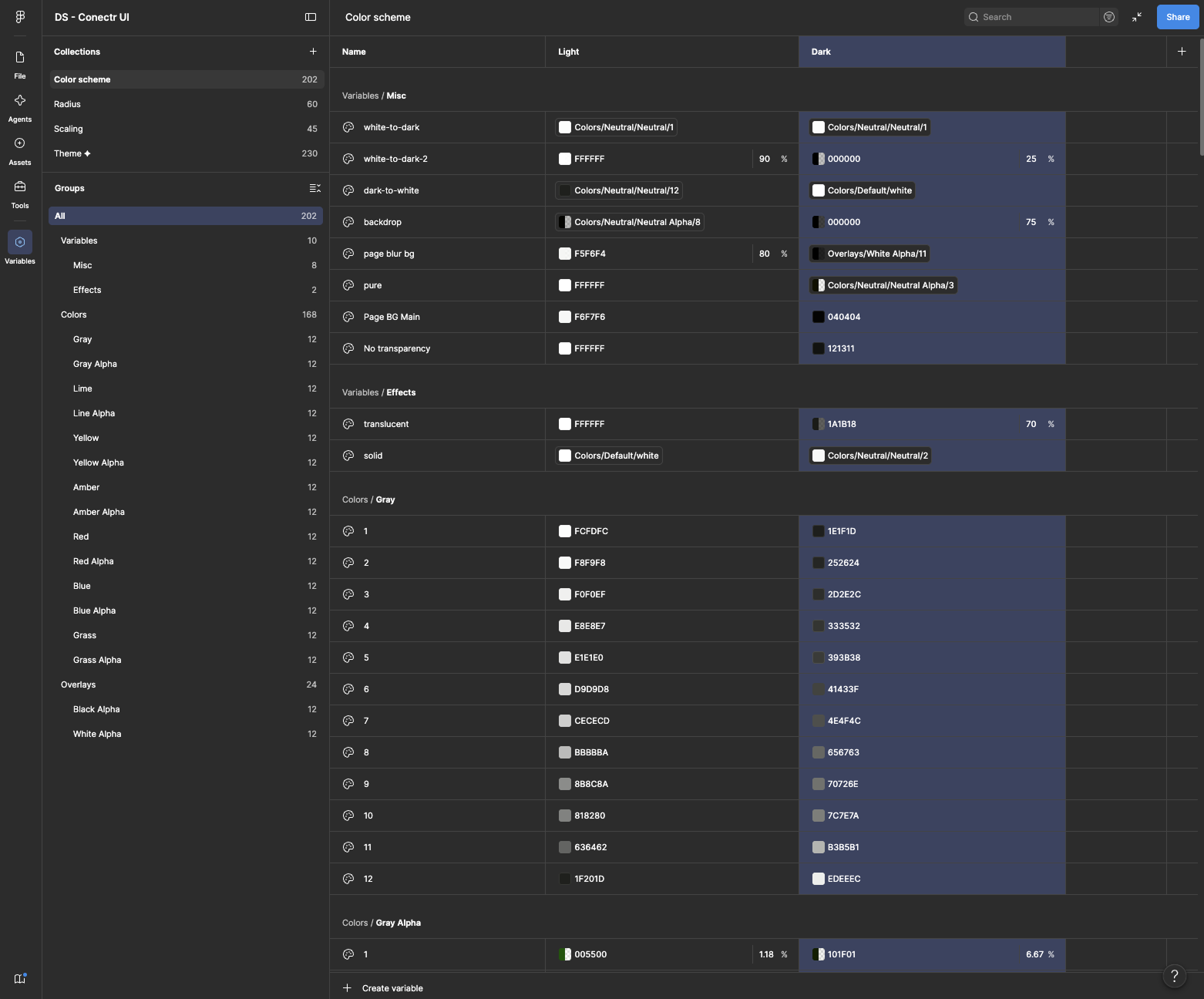
Starting with a strong foundation: the design system
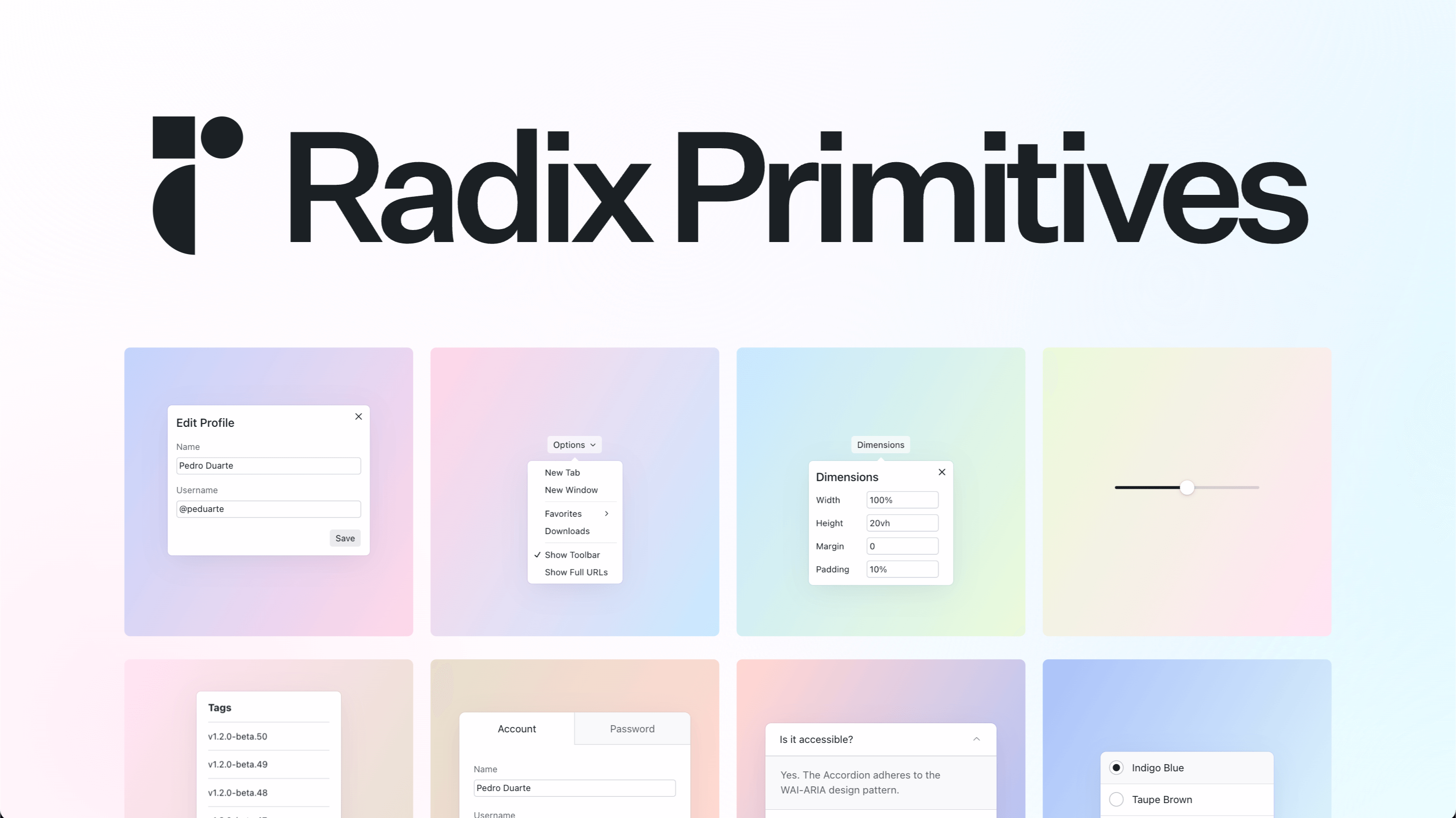
Because I Ire designing several interconnected experiences simultaneously, consistency became important very quickly. After working through the requirements with engineering, I decided to build the interface using Radix UI and establish the design system alongside the product rather than treating it as a clean-up exercise later.
The intention wasn't to create an enormous design system. It was to create enough structure that the product could grow without the interface becoming inconsistent every time it did.
Design
Presenting complex functionality simply
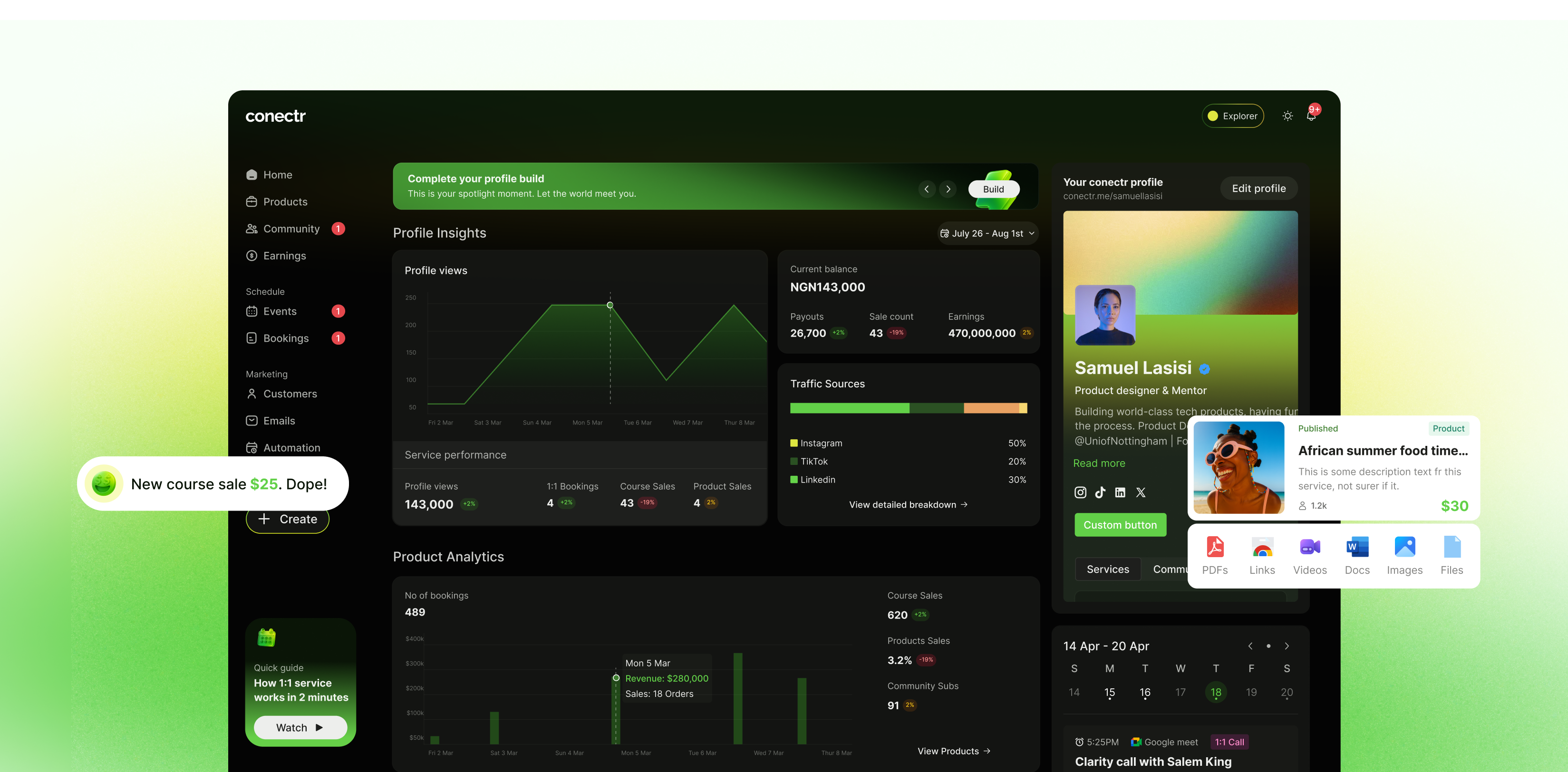
One of the biggest UX challenges was the amount of functionality creators could potentially manage. A creator may need to understand their profile, audience, community, earnings, bookings and activity at the same time. Showing everything would create cognitive overload; hiding too much would make the platform feel incapable.
The interface therefore relied heavily on hierarchy, progressive disclosure and contextual actions. Instead of exposing every possible setting immediately, the product focuses attention on what the creator needs to know or do next.
Core experience 01
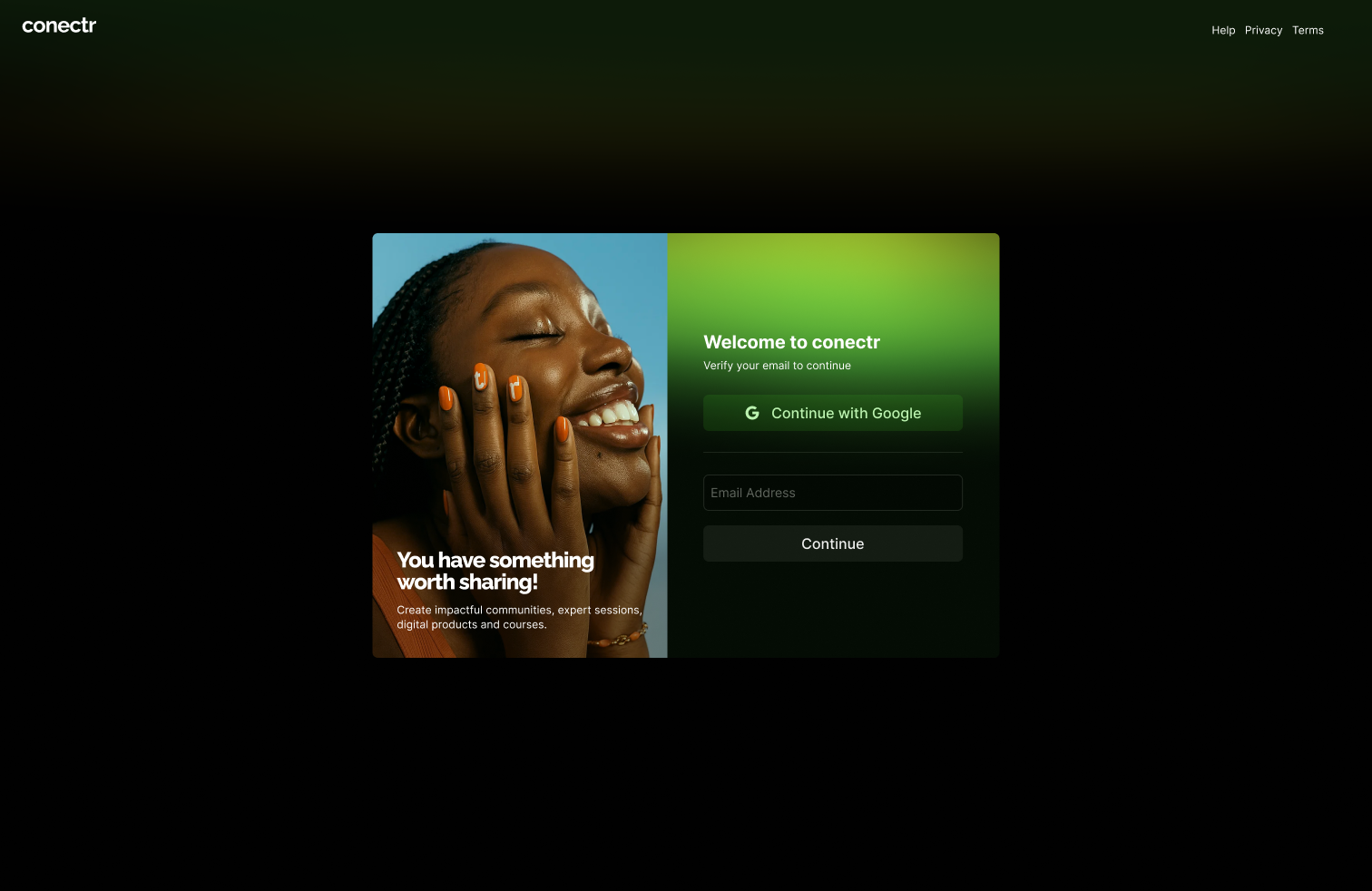
Unified authentication and onboarding
The first experience had to feel disproportionately simple. Rather than overwhelming new creators with every possible capability, onboarding focused on getting them into the product and progressively building their presence.
Unified authentication
Core experience 02
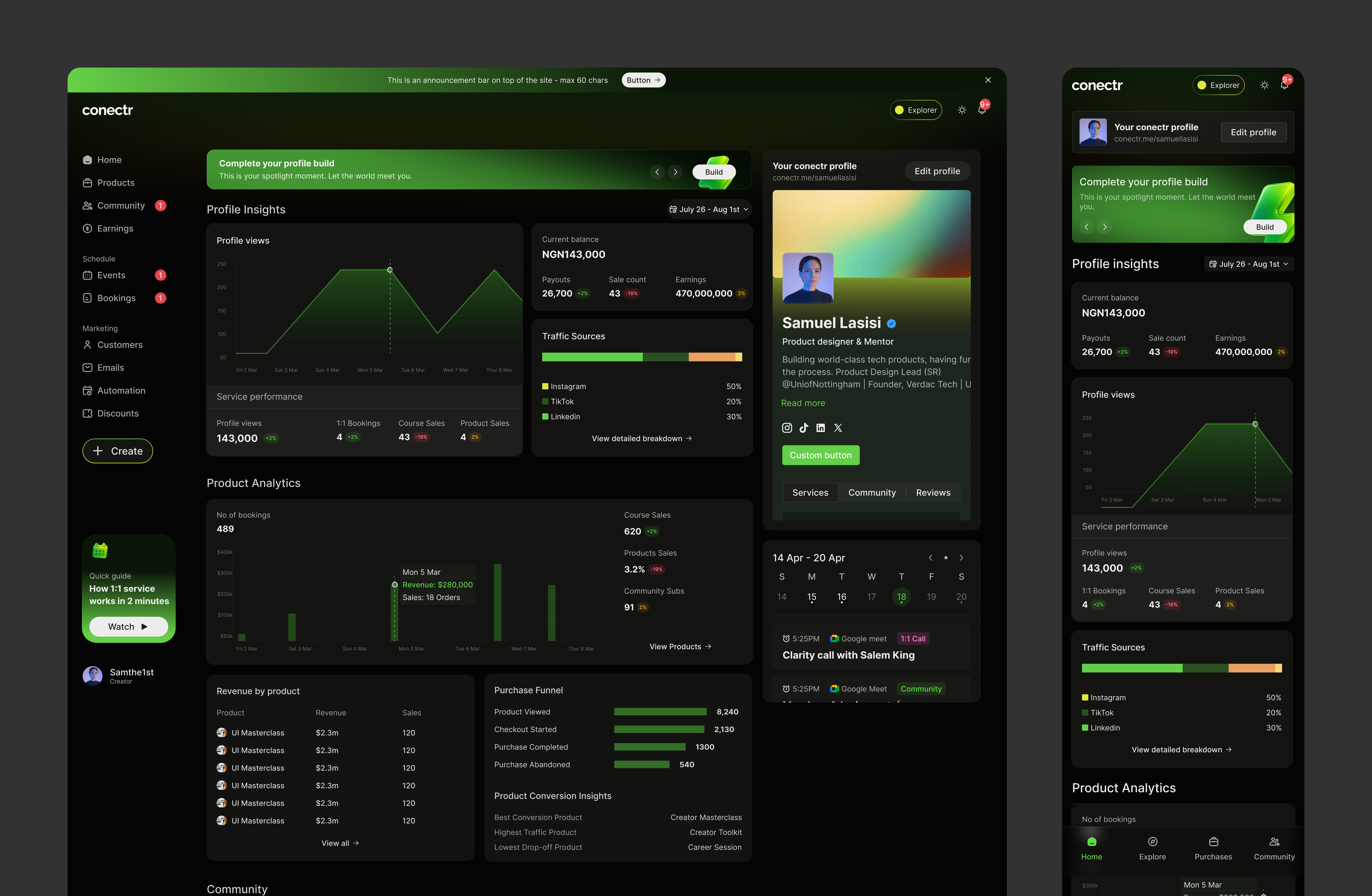
Creator Home
The dashboard became the operating centre of Conectr. I structured the experience around three questions: What's happening? What needs my attention? How is my creator business performing?
Core experience 03
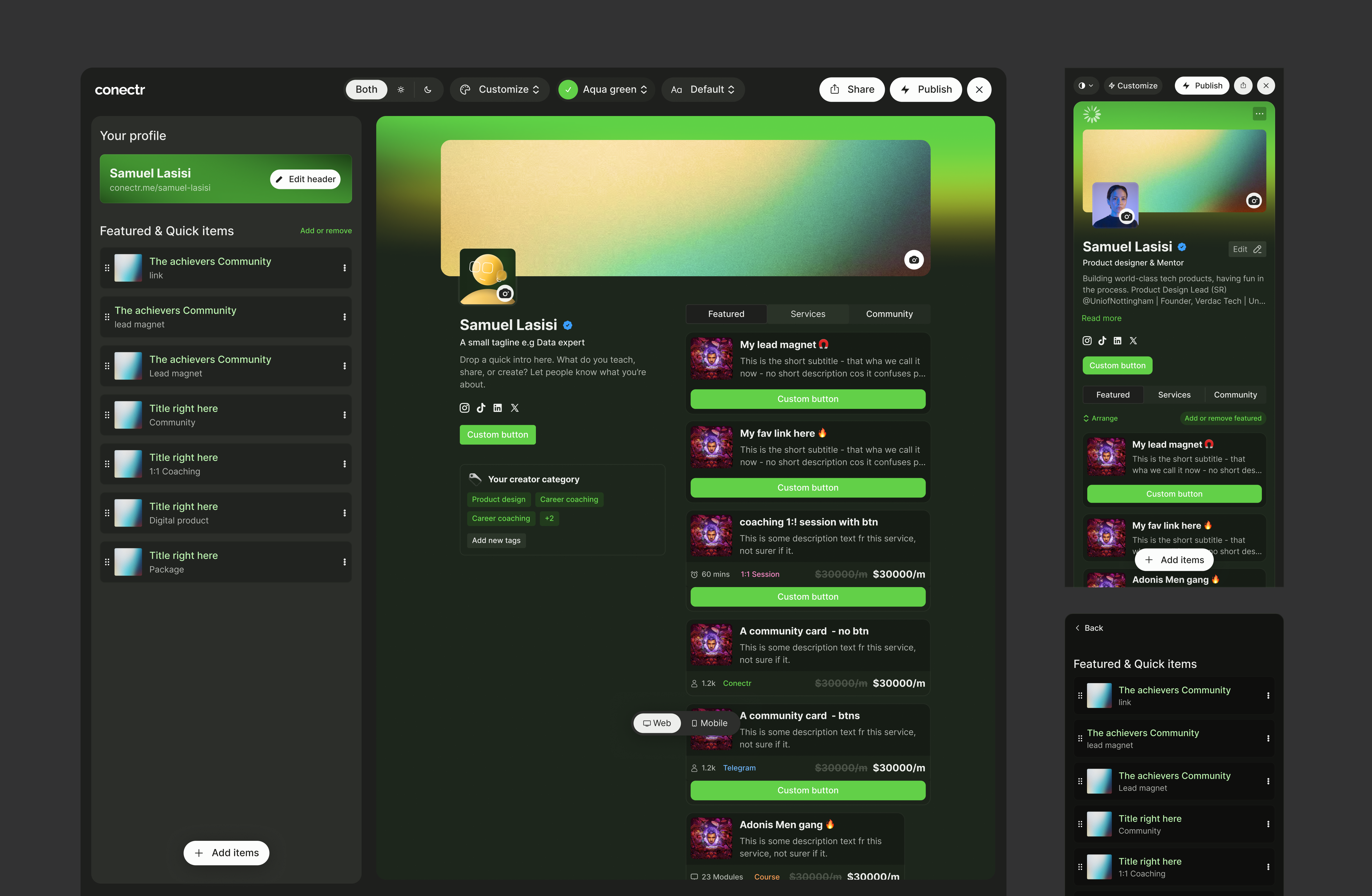
Creator profile
The creator profile acts as the public-facing centre of the ecosystem. Rather than creating another generic link-in-bio page, the objective was to give creators enough control to make the page feel like an extension of their personal brand.
Core experience 04
Community
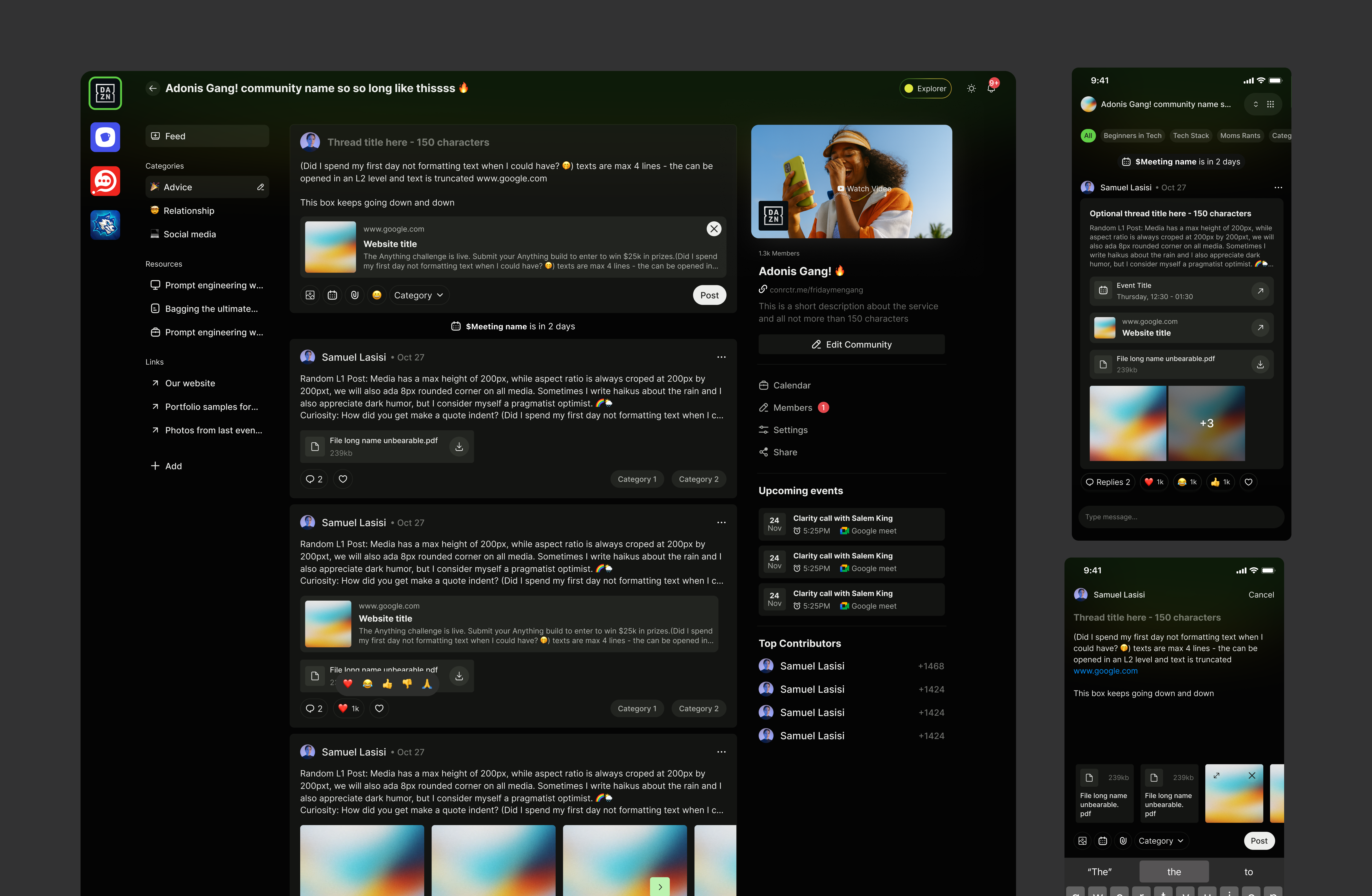
The objective wasn't to replicate a social network inside Conectr but to create a focused environment where the creator and their audience could interact more directly, prioritising conversation and participation.
Core experience 05
Offerings: Bookings, Products, and Packages
This section showcases all the different ways creators can engage with their audience and monetize their expertise, including direct bookings, digital products, and curated packages. It brings together all the various offerings a creator provides in one integrated experience.
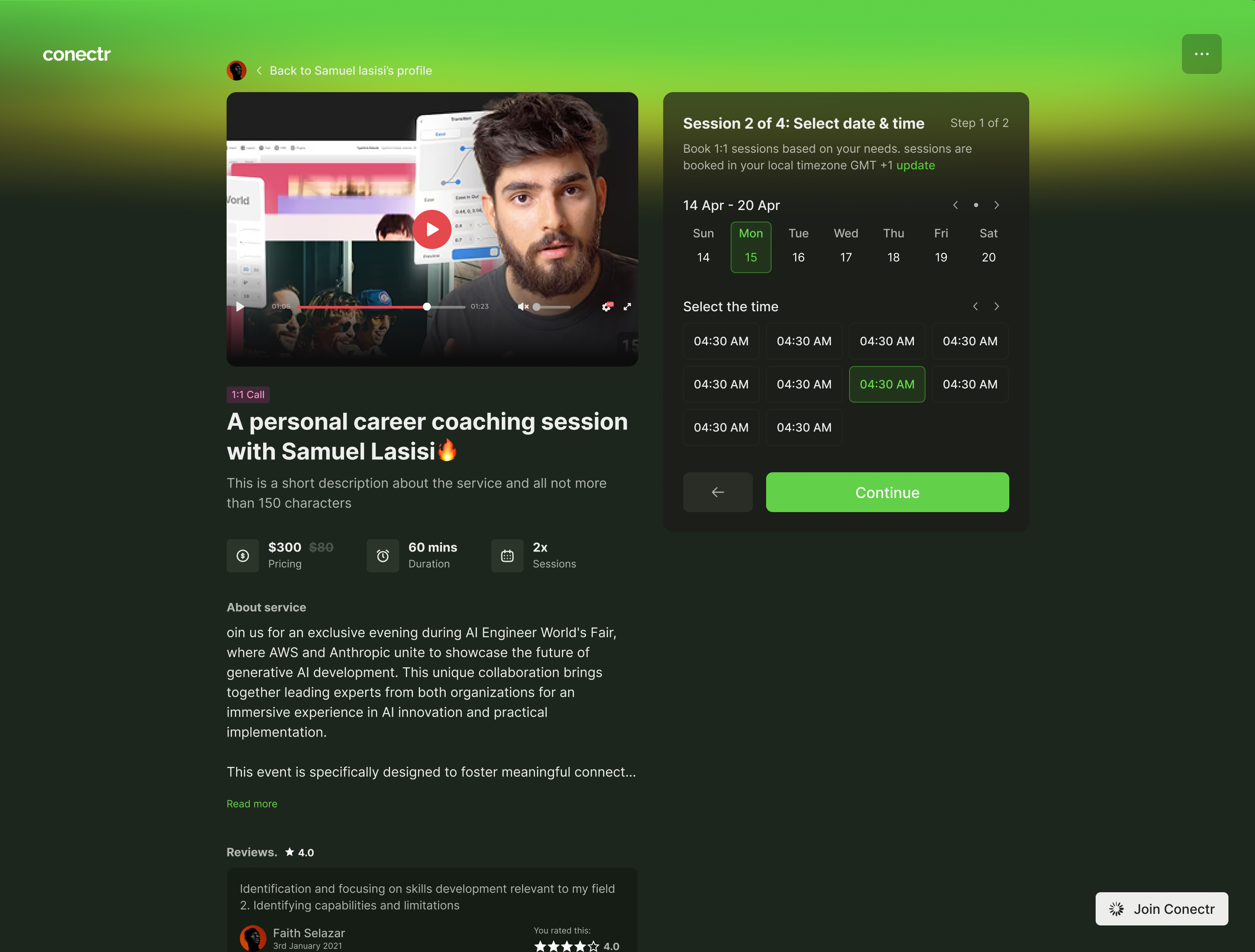
Personalized 1:1 Booking
Core experience 06
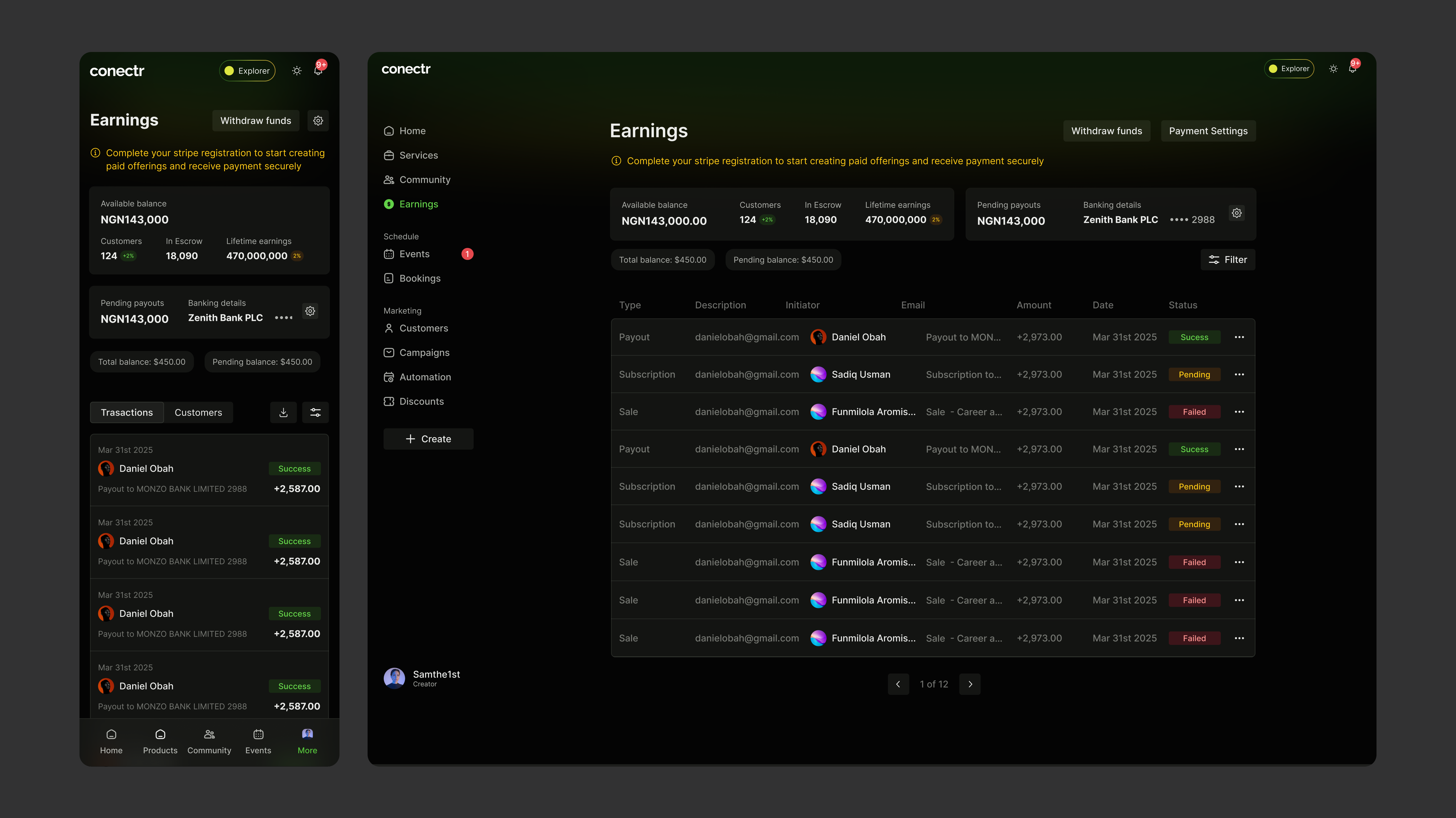
Earnings
Monetisation introduced additional complexity because money requires significantly more clarity than most other product interactions. The experience prioritised understandable balances, transaction visibility and simple earnings summaries.
Core experience 06
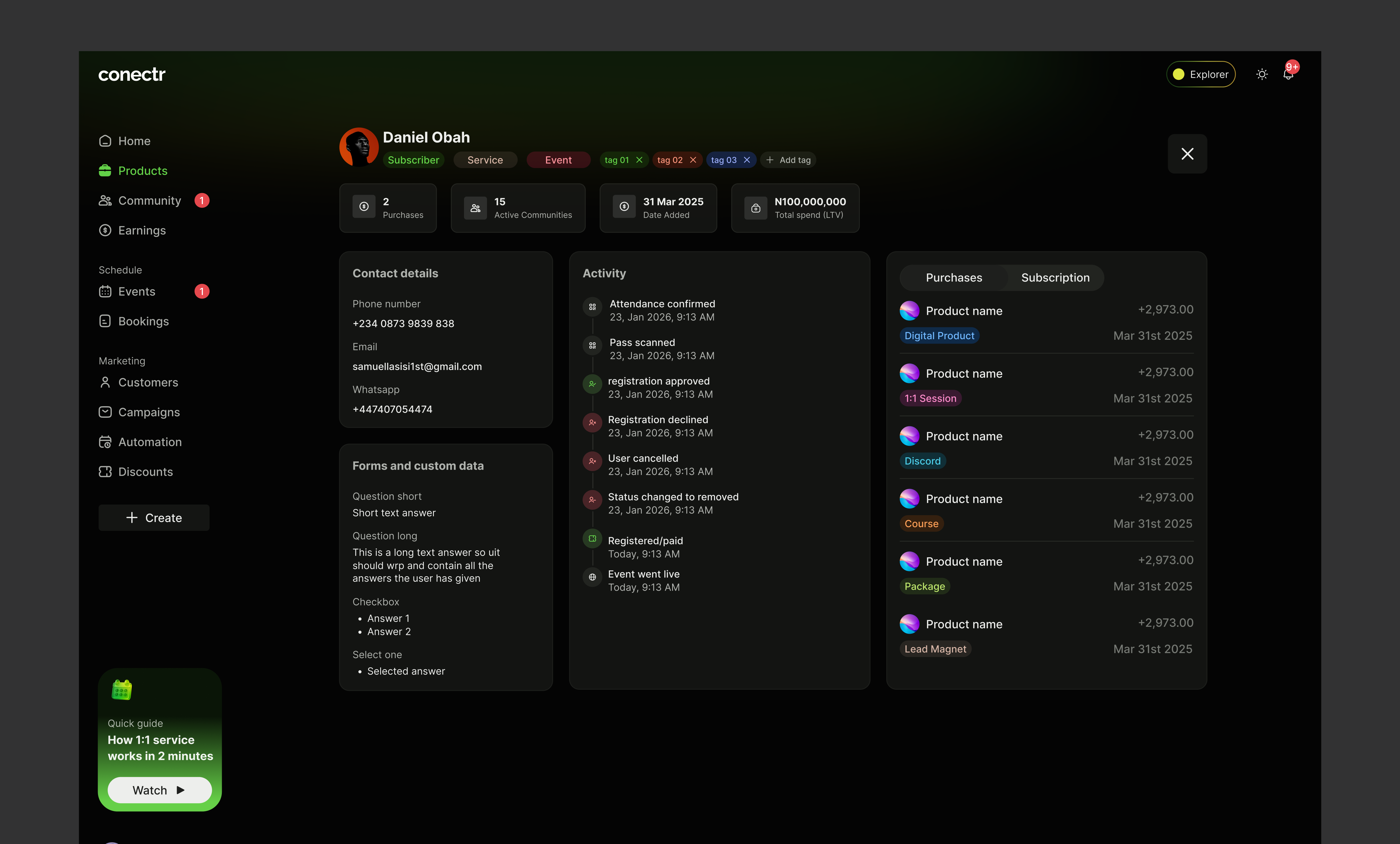
Customer Management (CRM)
The customer management section provides creators with a comprehensive view of their audience, allowing them to track interactions, understand engagement, and build stronger relationships. It acts as a CRM, centralizing all customer data and communication.
Designing for two sides
Two sides of the same relationship
A major learning throughout the project was that Conectr wasn't really one product. It was two interconnected experiences. The creator experience needed to make managing the business feel simple. The audience experience needed to make interacting with the creator feel effortless. Improving one side while creating friction for the other would Iaken the entire system.
What that meant in practice
Creator side
How services are discovered, how profiles are structured, how calls to action are prioritised, and how activity is surfaced after the fact.
Audience side
What audiences need to understand before committing, how they move betIen discovery and booking, and how they stay connected after the first interaction.
The connecting journey
The connecting journey mattered more than any individual screen.
One ecosystem
Every surface had to feel like part of the same relationship rather than a collection of separate tools.
Impact
The first release validated the system, not the finished product
The product moved into beta and grew to approximately 1,000 registered users, giving the team something far more useful than internal opinions: real behaviour to learn from. And that changed the next phase of the design challenge.
Highlights
5.5
months to initial release
~2400
registered beta users
300+
Creators onboarded
What I learned
Four lessons that shaped how I think about platforms
Getting the platform into people's hands exposed a much more interesting problem. Building a poIrful creator platform doesn't automatically mean creators will immediately understand how to extract value from it.
Learnings
Feature breadth is not the same as product value
It is incredibly easy when building platforms to believe the next feature will unlock growth. Usually it doesn't. Users experience outcomes, not roadmaps.
Activation deserves as much design attention as functionality
A feature that exists but isn't discovered, configured or successfully used has almost no product value. I would spend even more time designing the journey betIen sign up, build, publish, share, first interaction and first revenue.
Platforms need opinionated defaults
Flexibility initially sounds universally positive. But excessive flexibility pushes decision-making back onto the user. Creators shouldn't have to understand the architecture of the platform before they can benefit from it.
A design system becomes more valuable as uncertainty increases
Having reusable foundations meant changes didn't require redesigning the entire interface every time the roadmap evolved. The design system gave us speed without forcing premature certainty about the final shape of the product.
Future thinking
The next opportunity isn't a larger toolbox
Conectr's next opportunity isn't simply becoming a larger toolbox. It's becoming more intelligent about the relationship betIen creators and audiences. The long-term opportunity is a platform that can understand a creator's business, their audience, their products and the interactions happening betIen them — and use that context to help the creator operate and grow.
That creates possibilities around smarter relationship management, personalised audience journeys, intelligent recommendations, automation and AI-assisted creator workflows. The original challenge remains the same: how do you help one person meaningfully serve hundreds, thousands or even millions of people without making the relationship feel impersonal? The interface was only the beginning.